Korean Bibimbap
Highlighted under: Heritage Inspiration
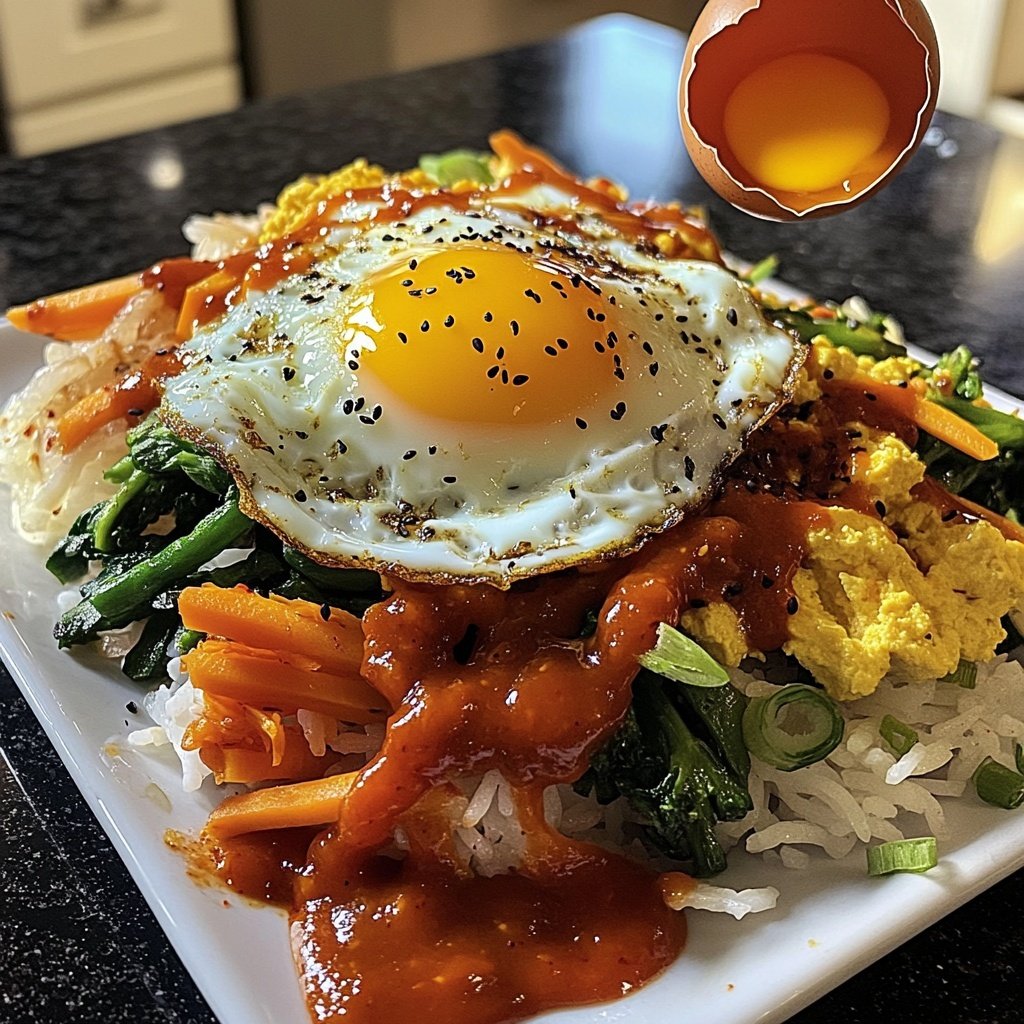
Korean Bibimbap is a vibrant and delicious dish that combines rice, vegetables, and protein, all topped with a fried egg and spicy gochujang sauce.
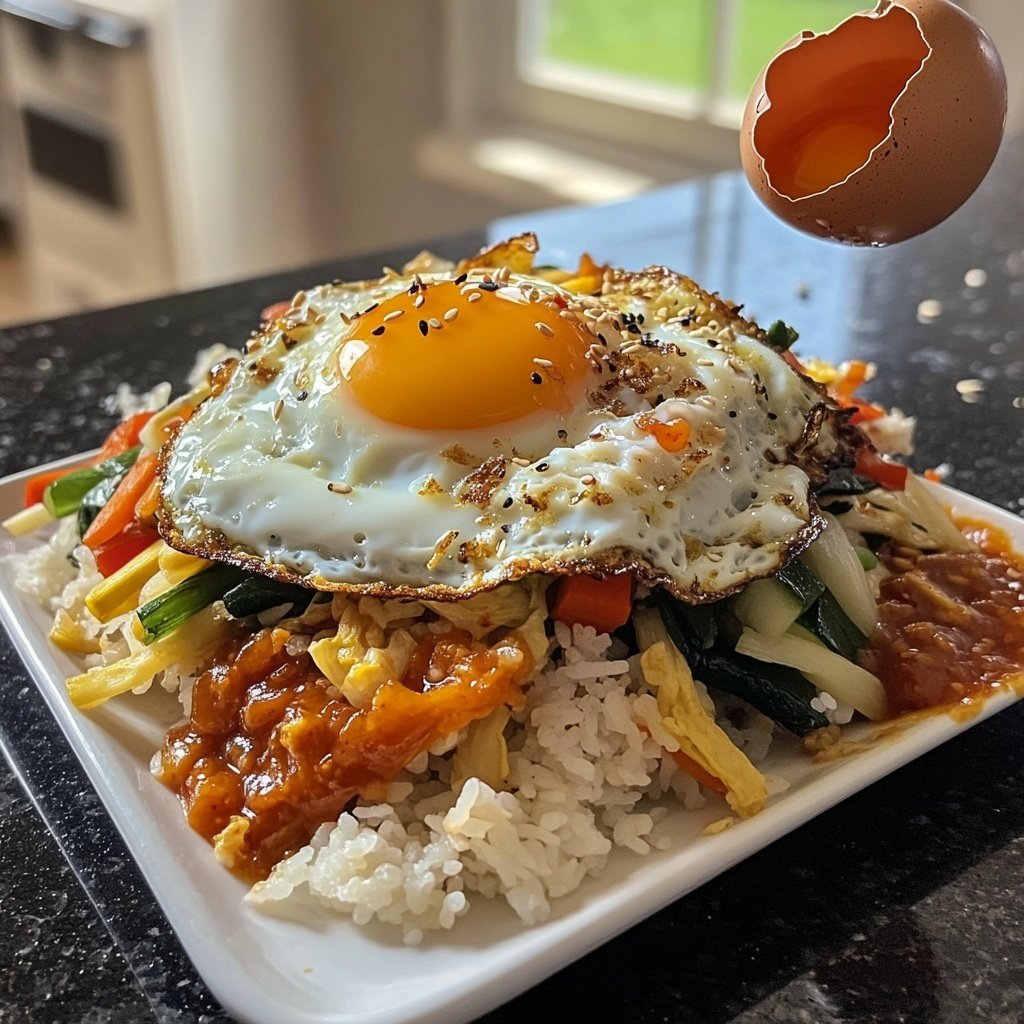
Enjoy the flavors of Korea with this colorful and nutritious bibimbap. Perfect for a family meal or a gathering with friends!
Why You'll Love This Recipe
- A harmonious blend of flavors and textures
- Packed with fresh vegetables and protein
- Customizable to suit your taste preferences
The Origins of Bibimbap
Bibimbap, which translates to 'mixed rice,' is a traditional Korean dish that has been enjoyed for centuries. Its origins can be traced back to the late 19th century, where it was served as a farmer's meal, allowing for the use of various leftover ingredients. The dish gained popularity and evolved into the vibrant, colorful presentation we see today, showcasing the harmony of flavors and textures that define Korean cuisine.
The beauty of bibimbap lies in its representation of balance, a core principle in Korean culinary philosophy. Each ingredient not only contributes to the flavor but also symbolizes different aspects of life. The mix of vegetables, protein, and rice creates a nutritious meal that encompasses a variety of tastes, from savory to spicy, making it a beloved dish both in Korea and around the world.
Nutritional Benefits of Bibimbap
Korean Bibimbap is not just a feast for the eyes; it's also a powerhouse of nutrition. The variety of vegetables included, such as spinach, carrots, and zucchini, provide essential vitamins and minerals, contributing to a well-rounded diet. Each component offers its own health benefits, from the iron-rich spinach to the fiber-packed bean sprouts, making this dish a great choice for those looking to incorporate more greens into their meals.
The protein source in bibimbap can be easily customized to meet dietary preferences. Whether you choose ground beef, tofu, or even a medley of mushrooms, you’ll ensure a hearty serving of protein that supports muscle health and keeps you feeling satisfied. Additionally, the use of gochujang adds a kick of flavor while also containing beneficial probiotics, further enhancing the nutritional profile of this delightful dish.
Customizing Your Bibimbap
One of the most appealing aspects of bibimbap is its incredible versatility. You can easily adapt the dish to suit your taste preferences and dietary restrictions. If you're vegetarian or vegan, simply substitute the beef for tofu, tempeh, or even a variety of mushrooms for an umami boost. Feel free to experiment with seasonal vegetables or whatever you have on hand, ensuring your bibimbap is both fresh and personalized.
For those who enjoy a bit more heat, consider adding extra gochujang or even sliced chili peppers to your bibimbap. You can also enhance the flavors with additional toppings like kimchi, which brings a tangy kick, or pickled vegetables for a crunchy contrast. The sky's the limit when it comes to creating your perfect bowl of bibimbap!
Ingredients
For the Bibimbap
- 2 cups cooked white rice
- 1 cup spinach, blanched
- 1 cup bean sprouts, blanched
- 1 carrot, julienned
- 1 zucchini, julienned
- 200g ground beef (or tofu for vegetarian option)
- 4 eggs
- 3 tablespoons gochujang (Korean chili paste)
- 2 tablespoons sesame oil
- 2 tablespoons soy sauce
- 1 tablespoon vegetable oil
- Sesame seeds for garnish
- Green onions, sliced for garnish
Adjust the ingredients according to your preference or dietary restrictions!
Instructions
Prepare the Vegetables
In a pan, heat 1 tablespoon of vegetable oil over medium heat. Sauté the carrots and zucchini separately until tender, about 3-4 minutes each. Set aside.
Cook the Beef
In the same pan, add the ground beef. Cook until browned, about 5-7 minutes. Stir in soy sauce and sesame oil, then remove from heat.
Fry the Eggs
In a separate pan, fry the eggs sunny-side up until the whites are set, about 2-3 minutes.
Assemble the Bibimbap
In a large bowl, place a serving of rice. Arrange the spinach, bean sprouts, carrots, zucchini, and beef on top. Add the fried egg and drizzle with gochujang. Garnish with sesame seeds and green onions.
Mix everything together before eating for the best flavor!
Pro Tips
- Feel free to add other vegetables like mushrooms or radishes for extra flavor.
Tips for Perfect Bibimbap
To achieve the best texture and flavor in your bibimbap, ensure that your ingredients are prepared just right. Sauté your vegetables until they're tender but still crisp, as this will retain their nutrients and add a satisfying crunch. When cooking the beef, don't overcrowd the pan; this will help it brown evenly and develop a rich flavor.
When it comes to frying your eggs, consider the doneness you prefer. While sunny-side up is traditional, you can opt for over-easy or even scrambled eggs if you prefer. The key is to ensure the yolk remains runny, as it adds creaminess when mixed into the rice and vegetables.
Serving Suggestions
Bibimbap can be served as a standalone dish, but it pairs beautifully with a side of kimchi or pickled radishes for an added layer of flavor. For a complete Korean dining experience, serve it alongside a few banchan, which are small side dishes that complement the meal. This not only enhances the dining experience but also introduces a variety of flavors and textures to your plate.
If you're hosting a gathering, consider creating a bibimbap bar where guests can customize their own bowls with a selection of ingredients. This interactive approach makes for a fun and engaging dining experience, allowing everyone to explore their own culinary creativity while enjoying this delicious dish.
Questions About Recipes
→ Can I make this dish vegetarian?
Yes! You can replace the ground beef with tofu or omit it altogether.
→ What can I use instead of gochujang?
You can use sriracha or a mix of red pepper flakes and soy sauce as an alternative.
→ How do I store leftovers?
Store leftovers in an airtight container in the refrigerator for up to 3 days.
→ Can I prepare the ingredients in advance?
Absolutely! You can prepare the vegetables and protein a day ahead to save time.
Korean Bibimbap
Created by: Esmeray Collins
Recipe Type: Heritage Inspiration
Skill Level: Intermediate
Final Quantity: 4 servings
What You'll Need
For the Bibimbap
- 2 cups cooked white rice
- 1 cup spinach, blanched
- 1 cup bean sprouts, blanched
- 1 carrot, julienned
- 1 zucchini, julienned
- 200g ground beef (or tofu for vegetarian option)
- 4 eggs
- 3 tablespoons gochujang (Korean chili paste)
- 2 tablespoons sesame oil
- 2 tablespoons soy sauce
- 1 tablespoon vegetable oil
- Sesame seeds for garnish
- Green onions, sliced for garnish
How-To Steps
In a pan, heat 1 tablespoon of vegetable oil over medium heat. Sauté the carrots and zucchini separately until tender, about 3-4 minutes each. Set aside.
In the same pan, add the ground beef. Cook until browned, about 5-7 minutes. Stir in soy sauce and sesame oil, then remove from heat.
In a separate pan, fry the eggs sunny-side up until the whites are set, about 2-3 minutes.
In a large bowl, place a serving of rice. Arrange the spinach, bean sprouts, carrots, zucchini, and beef on top. Add the fried egg and drizzle with gochujang. Garnish with sesame seeds and green onions.
Extra Tips
- Feel free to add other vegetables like mushrooms or radishes for extra flavor.
Nutritional Breakdown (Per Serving)
- Calories: 500 kcal
- Total Fat: 20g
- Saturated Fat: 5g
- Cholesterol: 215mg
- Sodium: 600mg
- Total Carbohydrates: 60g
- Dietary Fiber: 5g
- Sugars: 4g
- Protein: 20g